
The multi-channel flexible electronic skin sensor system - enabling robots to be sensitive to the new age - outlines a multi-channel flexible electronic skin sensor system as an imitation-based smart sensor technology that gives robots multi-dimensional senses of touch, temperature, pressure, etc. close to human skin through high-density integrated flexible sensor arrays, multimodular signal capture modules, and smart processing algorithms. The system, which combines flexible, sensitive and real-time response features, can match complex curves and significantly enhance robots ' intellectualization in interactions, operations and environmental adaptation.
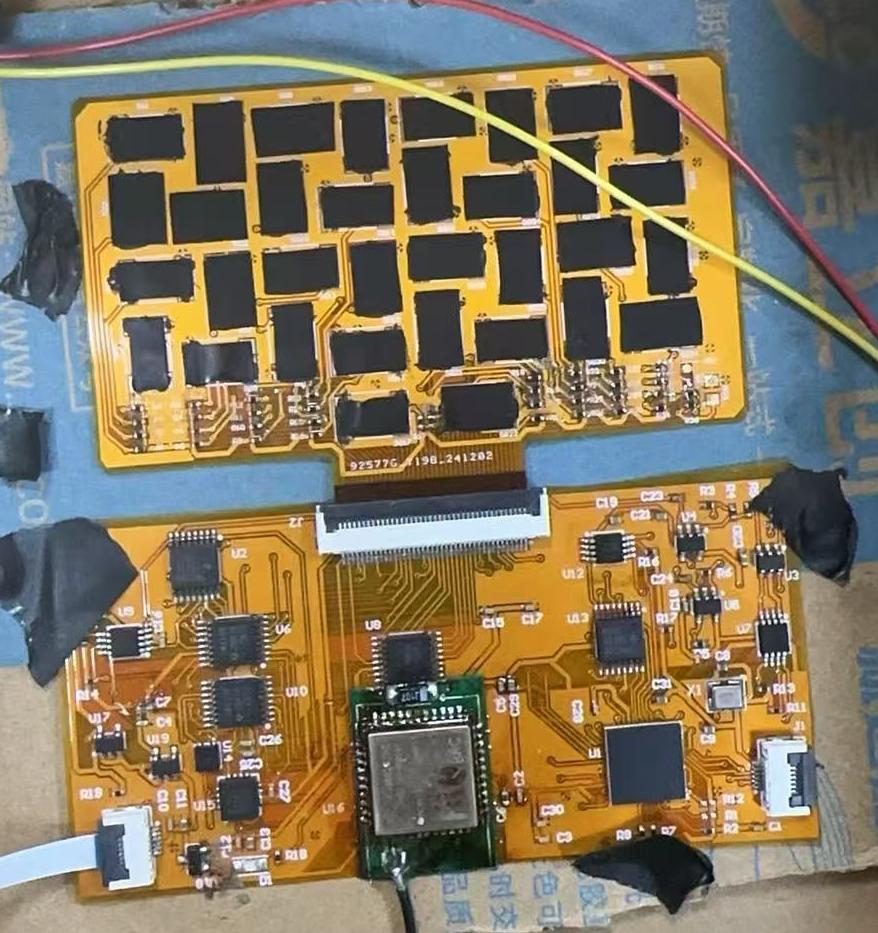
Multi-channel flexible electronic skin sensor system - enabling robots to be sensitive to the new age
System Overview
The multi-channel flexible electronic skin sensor system is an imitation-based smart sensor technology that gives robots multi-dimensional sensory capabilities such as touch, temperature, pressure, etc., close to human skin by means of high-density integrated flexible sensor arrays, multimodular signal collection modules, and smart processing algorithms. The system combines flexible, high sensitivity and real-time response features that can match complex curves and significantly increase robots’ intellectualization in interactions, operations, and environmental adaptation.
Core advantages
- Bionic multi-modal sensing
- Synchronize detection of physical amounts such as pressure, reaction, temperature, vibration, covering multi-dimensional information such as touch, slip, heat, etc., to achieve a composite perception of skin of the human class.
- High sensitivity (pressure detection lower limit of 0.1 Pa) and wide dynamic range (0-100 kPa) with precision recognition of light touch, grip, collision etc.
- Flexible and scalable design
- Use supersoft base (e.g. PDMS, polyamide) to fit robotic curves to support stretching, bending and deforming to adapt to complex surfaces such as mechanical arms, fingers, etc.
- Modular multi-channel structure to support the free layout and scale expansion of sensor arrays to meet the needs of different applications.
- Real-time intelligent processing
- Embedded signal processing units (e.g., FPGA or edge AI chips) achieve millisecond signal decomposition and feature extraction to lower the master-end calculation load.
- Integrating machine learning algorithms, dynamically identifying high-level information, such as materials, textures, slides, etc., to enhance autonomous decision-making.
- Strong environmental adaptability
- Electromagnetic interference, wet-retarded thermal design to stabilize work in complex environments such as industry, medicine, etc.
- Self-correction and redundancy designs remain highly reliable for long-term use.
Robot application scenario
- Precision grabbing and operation
- Industrial robots regulate capture strength through real-time touch feedback to avoid damage to sophisticated parts (e.g. glass, electronic components).
- Dynamic detachment control combined with scalding is achieved to enhance the stability of the movement.
- Human-machine safety collaboration
- Collaborative robots with a body full of electro-skin can immediately sense human contact, trigger an emergency stop or soft shield, and ensure the safety of human interaction.
- Medical and rehabilitation robot
- Surgeon robots perform tissue elasticity assessments through pressure distribution monitoring, and auxiliary doctors perform fine operations.
- Exoskeletal robots use temperature and pressure feedback to optimize their comfort and avoid skin crushing.
- Service and bionic robots
- Give the imitating hand a sense of tact, achieve object identification (e.g. shape, hard classification) and self-adaptation grip.
- Domestic service robots perceive user intent through touch interaction (e.g. handshake, guide to blind tow).
- Complex environment exploration
- The relief robot operates blindly in the dark or in the smoke through electronic skin detection of the texture and contact forces of the barrier.
Technical parameters
- Sensory dimension: pressure/temperature/resilient trimester
- Number of channels: 16-256 can be customized
- Response time: <5ms
- Radius of curvature: suitable for ≥3mm curved surfaces
- Communication interface: CAN/SPI/I2C