Customer commissioned instruments to measure the concentration of salt in food. The customer purchased samples from other existing companies and then asked for a re-opening of the analogue function, so the shell in the picture and video was the shell of a market sample, but the control panels and liquid crystals were customised by the company. Subject to satisfaction with the first development, the customer commissioned the development of a sugar gauge to detect the concentration of sugar in the water using the imported CCOS sensor. Stability and data repetition are important links, i.e. each test requires precision to 0.01 per cent, which is more difficult to develop.
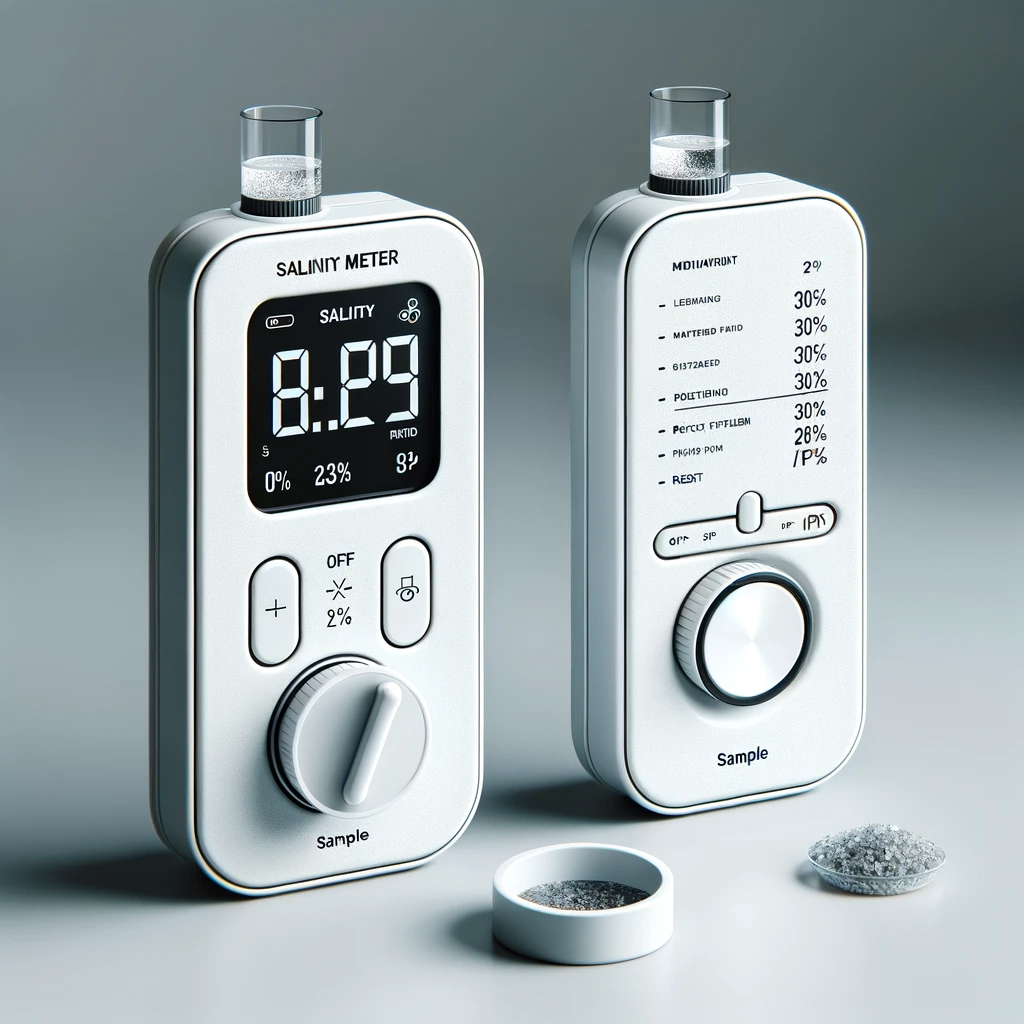
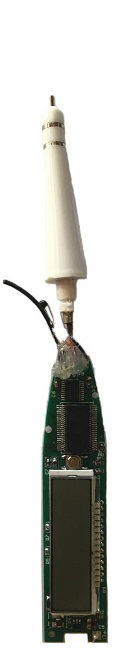
The client commissioned the development of instruments to measure the concentration of salt in food.
Clients buy samples from other existing companies and then request a re-opening of the function, so the shell in the picture and video is the shell of a market sample, but the control panels and liquid crystals are customised by the company itself.
Subject to the satisfaction of the first development, the client has commissioned the development of a sugar instrument to detect the concentration of sugar in the water using the imported CMOS sensor.
Stability and data repetition are important links, i.e. each test requires an accurate level of 0.01 per cent, which is more difficult to develop. It is not an ordinary barrier measurement, nor is it an ordinary communication conductivity measurement that solves the problem, with very special programs.
Test data of salinity meters during the opening process
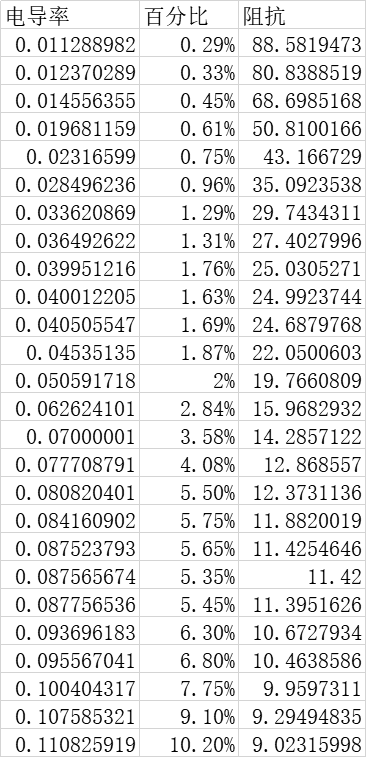
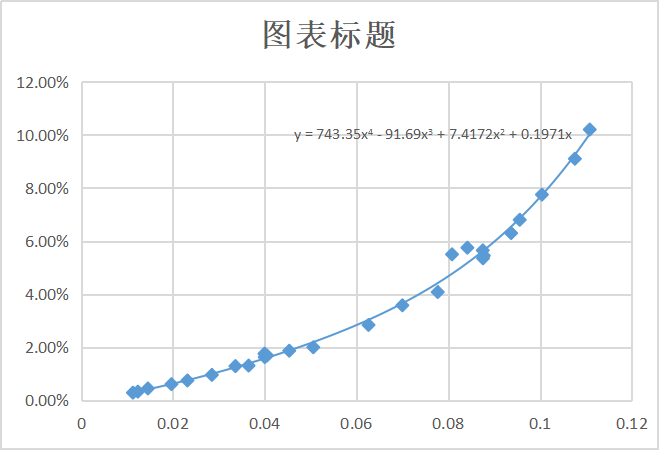
Salinometers' proposed curve, and formulas in the program are based on the proposed curve
The following is the debugging of tests during the development of the glucometer.
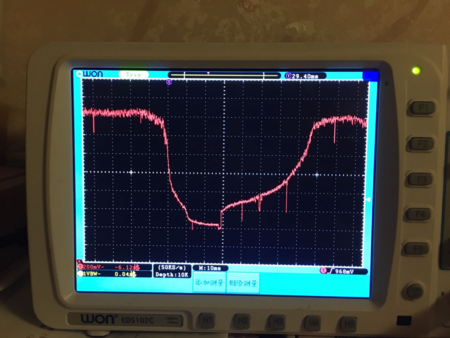
The oscillator waveforms corresponding to the sugar dosage sensor are determined by the analysis of the waveform preparation process, using a 1D PSD sensor, from left to right, which obtains a photorefractioned waveform to determine the concentration of the sugar.