
Project progress on elevator control monitoring developed for a client in Shanghai: End of project, including main plate, interface panel, remote control panel, bridge interior panel. 4G communication panel. (a) Collection of elevator signals: upper- and lower-level signals, closed signal (which also applies through the door), flush signal, bottom signal, calibration signal, stop telecommunications signal, fire signal, secure circuit signal, lock circuit signal, sensor signal, emergency button signal, speed signal, temperature signal, backup battery monitor signal, etc.;
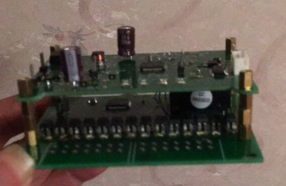
Elevator control monitoring developed for a customer in Shanghai
Project progress: Ended
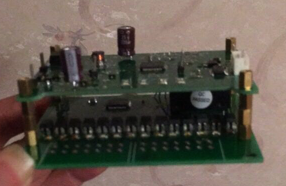
Includes the main panel, interface panel, remote control panel, bridge interior panel.
2. Elevator monitoring system functions
- Collect elevator signals:
(a) Upper- and lower-level signals, closed signal (which also applies for access to the door), flushing signal, grounding signal, calibration signal, stop signal, fire-fighting signal, secure circuit signal, lock-back sign, human signal, emergency button signal, speed signal, temperature signal, backup battery monitoring signal, etc.;
- Signal and data transmission:
Analysis and processing of the collected signals and data, transmission of the analysed data to the 4G module via the main panel cable portal and then to the remote server from the 4G module; elevator data include elevator stoppage, up and down, power outage, elevator floor, closed signal, elevator failure, emergency call, frequency of operation, fire, safe circuit, lock-back route, human perception, velocity, temperature, spare battery power signal, unique device identification number, etc.;
- detects 10 types of elevator faults:
Heading, crouching, updoor car failure, downdoor car failure, parking door failure, parking door failure, parking door failure,
Non-scattered parking, non-scattered parking, long-term closures and long-term unscrambled closures.
- 5 types of elevator status detection:
Normal, protected, power outages, malfunctions, offline (system backstage determinations are considered offline if no front-end signal is received for 10 minutes).
- Backup operation:
When the external power supply is out, the system can continue to operate for more than two hours with its own back-up power supply, while the power outage information is sent to the back office monitoring centre to facilitate timely processing.
- Voice comfort:
When elevator failure or emergency calls occur, the system automatically transmits pacifiers and removes tension from passengers;
- Bluetooth emergency button:
When an emergency button is pressed by the passenger when special circumstances, such as persons trapped in the car, rescue information is sent to the system backstage surveillance centre in a timely manner;
Bluetooth equipment power detection and disconnect alarms;
- Voice call (network digital call):
When an emergency call signal is sent to the back-office surveillance centre or when the back-office service discovers that the elevator is in an irregular state, such as a trapped person, the back-office service can initiate a two-way call with the passenger in the car, and the back-office can automatically perform the call function without the passenger operating the listening button;
- Video collection:
(1) The control centre may initiate a real-time viewing order of the inside camera of the elevator.
The video is stored in a local TF card. The video is stored in steps and is automatically covered in chronological order after it is fully stored.
- Emergency light:
Emergency lights are automatically activated when power is out and people feel the information.
- Communication requirements:
Elevator data transmission, voice calls and video transmission are to be met simultaneously, i.e., back-office service personnel can communicate with insiders while watching real-time video, without affecting elevator data collection;
- system upgrade:
The system supports remote upgrades, the system backstage sends upgrade packages or patches, the master control box can be automatically upgraded online without manual on-site operation, and the primary control box has a pre-positioned communication interface (RS-232 or RS-485), which can be upgraded on-site through a computer or handheld machine;
- Car display screen function interface:
(1) The master box contains RS-232 and RS-485 interfaces (recommended to be common to the system upgrade interface at point 12) that can be connected to the internal liquid crystal screen (for elevator information, small area property information, advertising, etc.);
- Monitoring system hardware equipment self-test function:
Information can be automatically sent to the back-office server in the event of a failure of the monitoring system hardware itself;