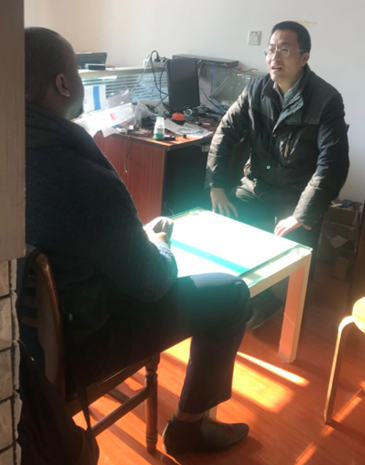
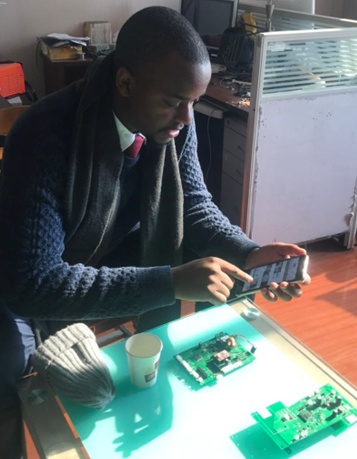
Training profiles: Embedded fieldwork for business engineers, where participants learn about design related to real products and have the ability to develop independently. Product development training Introduction to product development Training Practical training project for training in integrated design for test instrument development: a hands-on basic course plus three practical product development courses (out of eight practical projects) (eight cases) Practical product development course: 1) The simplest case - Based on the weak, the noise fogster is a device used to turn liquid reagents into fog. It is a key group in the atomization system...
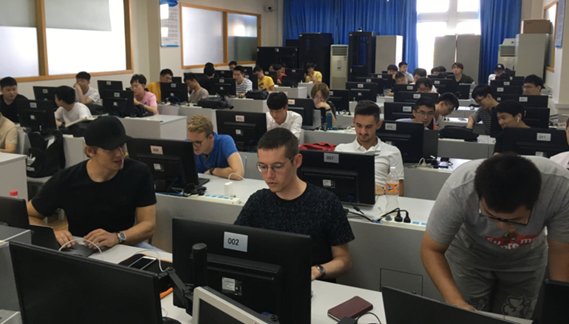
Training profiles: Embedded fieldwork for business engineers, where participants learn about design related to real products and have the ability to develop independently.
Product development training

Product development introductory training
Detector development training
Comprehensive design training
Practical training project: 1 hands-on basic course plus 3 hands-on product development courses (8 practical projects selected)
Practical product development course (8 cases)
1) The simplest case - the basis for selection of the weak
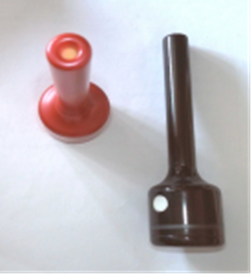
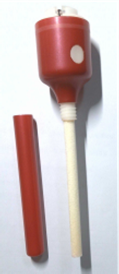
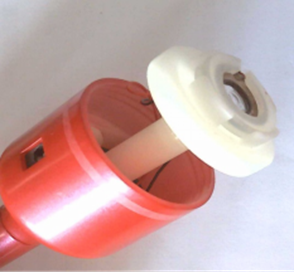
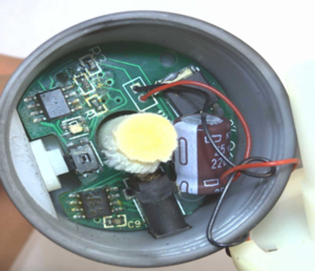
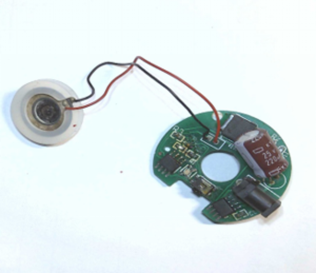
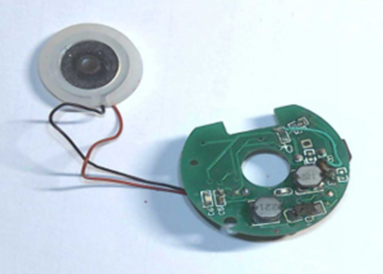
Noise wave atomizer
The aerosol is a device that transforms liquid reagents into fog. It is a key component of the atomicization system and has important implications for measuring accuracy and chemical interference. Therefore, the performance requirements of the aerosols include stable sprays, small and even mist drops, and efficient fogization.
This design is done on a single STC-51 machine and is programmed in C language. The focus is on how to design a voltage circuit and how to drive IO-led feet with a timer, which is actually a PWM function that uses software to achieve similar hardware. Designs on the basis of a given shell structure. Water absorbs up from cotton cores, enters mist, and circuit boards drive micro-pore mists generate water fog.
2) Portable salinity meter design
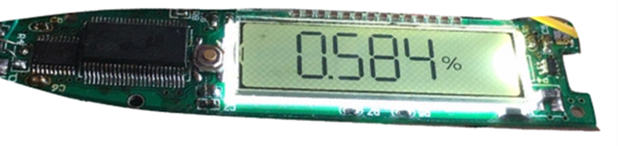
This design is aimed at portable, low-priced salinity meters, which are therefore measured by means of a conductivity rate measure. The conductivity measurement device that we have developed is a high-precision instrument designed to monitor solute ion concentrations in real time. By using two metal electrodes, the device is capable of applying exchange voltage and measuring resistance, thus deduceing the concentration of ion in the solution. The conductivity measurement device calculates the concentration of ion by monitoring the current response in the electrolyte solution using exchange voltage incentives. Metal electrodes are placed in a solution, with different frequencies of voltage applied by the equipment, and resistance is measured to obtain conductivity information for electrolyte solutions.
Salt meters seem simple, but it is not easy to actually develop products that meet market demand. First, they need to understand their rationale. At first, they seem simple, as if they were able to measure direct current resistance to salt water. But this is not true, because ionizing leads to constant data instability. Then research is done to find that there is a need to communicate incentives, and the frequency is certain. After determining the incentives for exchange, data can be detected, but there is a need to address noise and non-linear problems. To validate a product that has been made, the requirements are met only if each product is measured at the same concentration in the same solution. But to do so will require a great deal of experimentation and modification. Moreover, precision is crucial, because it requires 0.1% precision, which requires that each measurement cannot undergo a jump, also to be of a better quality than that of the same type.

3) Sugar concentration detector
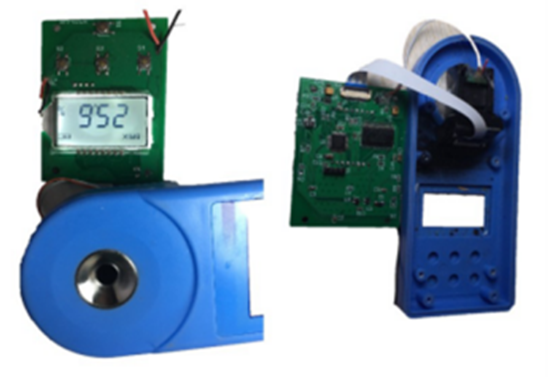
The sugar detector is an instrument used to measure the content of the sugar in the solution. It converts the sugar fraction concentration in the sample into a readable number or indicator by optical, electronic or physical principles. The method of work of the sugar detector is mainly based on the effect of the sugar fraction on the light refraction rate. When the light passes through the sample, the sugar fraction in the sample changes the refruit rate of the light, which results in a corresponding change in the light passing through the detector. By measuring this change, the sugar instrument can accurately determine the concentration of the sugar fraction in the sample.
This is a relatively simple product, but it is not easy to achieve stability. Because of cost constraints, the CMOS sensor is used to detect it with ordinary lighted diodes. Because of the greater noise of CMOS, it is necessary to filter the noise, and to find the largest point of the curve, which must be stable, with easy drift if the algorithm is not strong enough. It is therefore not difficult to achieve a low-cost, low-precision glucometer, but it is very difficult to achieve high-precision low-cost devices if they are to be prominent in a fierce market.
4) Portable solar lamp
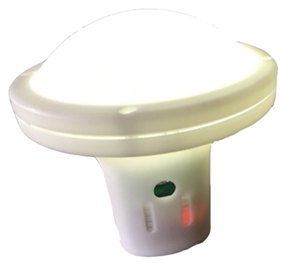
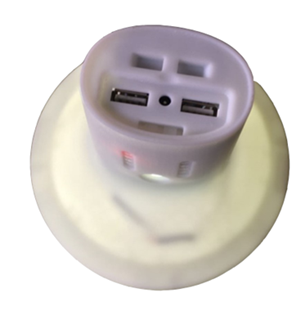
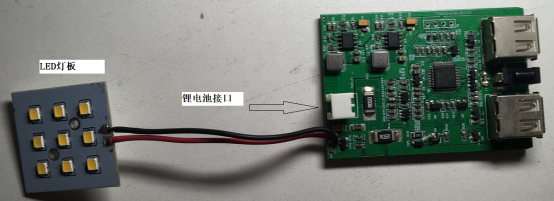
In Africa, electricity is not available in many places, and it is difficult for children to go home from school at night to do their jobs, and to charge their mobile phones. As a result, hand-held solar lamps are of high quality and local bulk purchases require five years of quality assurance. The design is therefore more difficult and needs to be reduced as much as possible in terms of quality, so that where software is available, no separate hardware chips are used.
The project’s requirements are to achieve complex functions, to protect lithium batteries, to improve the efficiency of the product, to provide maximum stability and reliability, to respond to external conditions and to prevent damage to circuit boards, at a cost of RMB20. The lowest point for lithium batteries in 3.2v is 2.6v, which requires a minimum of 2.6v circuits.
In this project, the focus will be on the use of multiple-road AD converters, the design of short-circuit protection, over-pressure protection design, non-frequency flash LED constant-flow software control design, weak current detection and charge management system design.
5) IoT smart clock
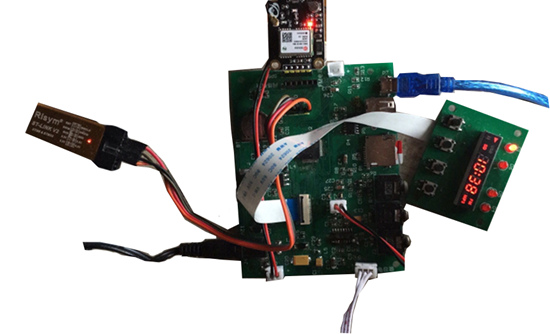
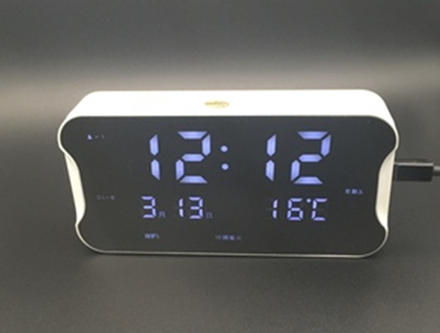
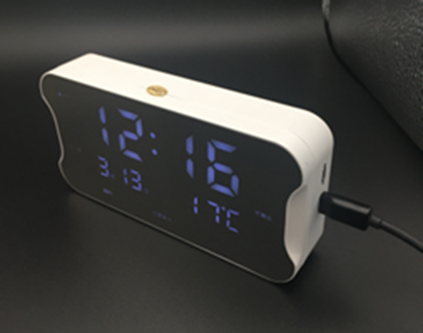
Examples of the design of this chapter are smart music clocks for the Internet, around music clocks and corresponding AP programs, where readers learn about the intentional STM32 development, automated software generation, hardware circuit design, embedded software C language programming, network communication programming, USB or wifi communications, multi-task processing of stm32, play and time scheduling of mp3, design of monitors, and C# programming.c#APP is developed for PC computer configuration programs.
6) OCR IoT smart camera
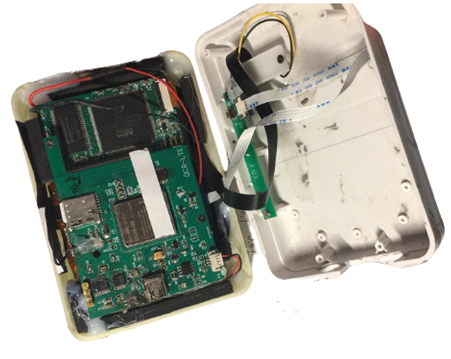
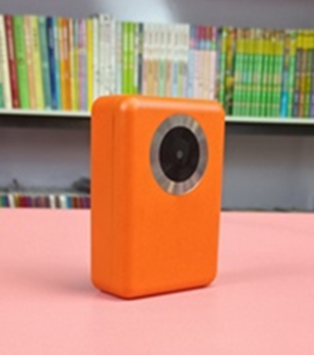
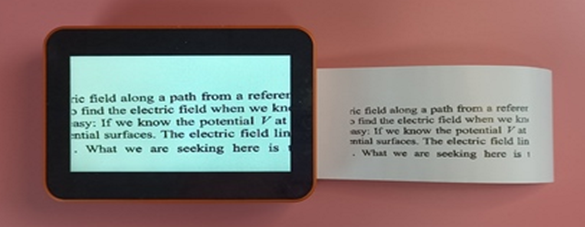
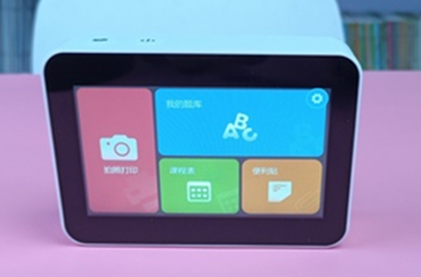
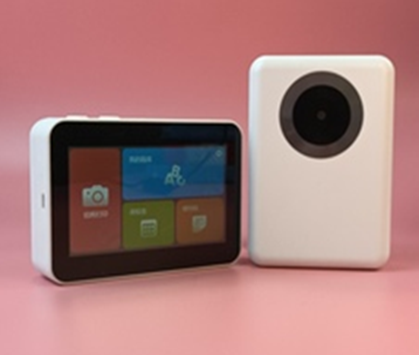
This chapter describes the development of an OCR hydropower table identifier, which applies optical character recognition (OCR) to the meter. The equipment needs to meet the following:
- It is required to perform image capture functions, which can be captured according to the set frequency (every 10, 20, 30 minutes).
- The captured images have been formatted, initially for temporary local preservation and then for transmission through the cloud platform.
- The identifier is capable of performing OCR processing, extracting numbers from photographs and converting them into digital data.
- Thermally sensitive printing capability allows the printing of system information and identified data to facilitate on-site debugging.
- The cost is controlled within 500RMB.
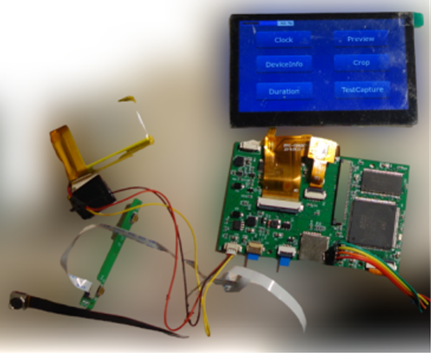
Since development begins at zero, with no ready-made reservoirs and programs available, this product is developed in a complex manner, unlike the normal Android cell phone program. The difficulties to overcome are: high-resolution filming of OV 5640 in the context of 5 million pixel resolution, high levels of memory requirements, stringent data transmission speed requirements, special handling, and debugging of the SCCB and DCMI interfaces. The object network design component, which requires the use of Http with a key, does not have an off-the-shelf library, requires the full use of the C code to achieve the corresponding AT command, and the processing of strings is very demanding. The ultra-low-power design requires a minimum of two months of continuous operation and requires a special method to achieve it. Other things to overcome are the debugging of the LCD, the debugging of the ECT screen, the debugging of the SD card, the attachment of the FAT file system, the image compression of the libjpeg, the zooming of the image memory, the debugging of the TouchGFX, and the simulation and debugging of the GUI.
This product has been developed using stm32F4 series processors. There are several key components to address, including LCD and touch drive, TouchGFX interface design, camera capture, and memory handling of video data, photo transition from bmp to jpeg compression format, SD card storage, and file system calls. The system memory allocation and the use of queues. Http's encrypted transmission. The whole process requires a mastery of driver-driven debugging and C++ programming.
The development of this product is highly demanding for commissioning and requires sufficient patience and perseverance to be successful.
7) Foot therapy machine
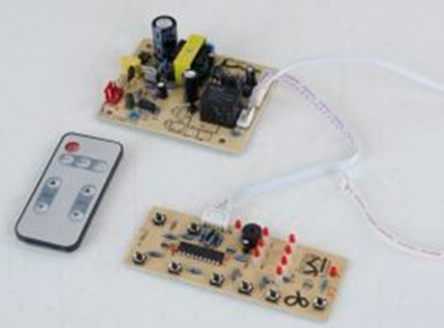
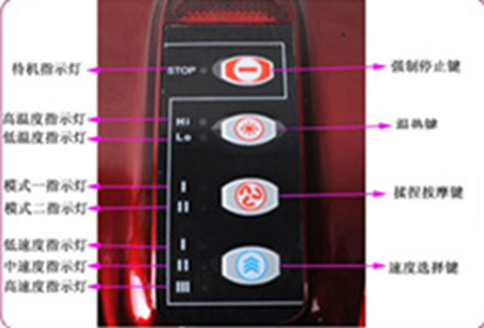
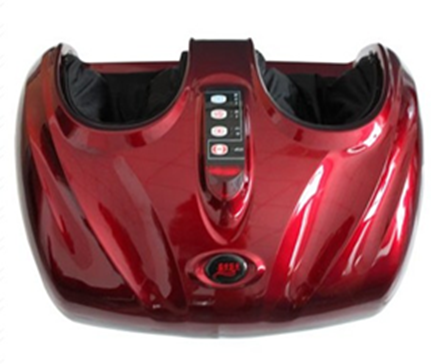
The foot massager is generally heated and massageable. The heating function consists of an electric-hot-wired footcase, which is easy to use in winter, and the massage function consists of a motor-led wheel and plastic massage pad. The foot massager is controlled by means of a button or an infrared.
1 Design of line power supply part
2 How to minimize hardware and cost
3 How software can be adapted to achieve specified functionality for less resource-intensive hardware.
4 Price and cost considerations in the design process
5 Reasonably designed hardware circuit
6 Main part of program design
7 Materials to be prepared for OEM processing
8) Table tennis server
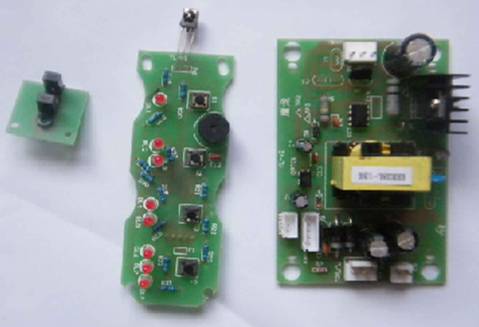
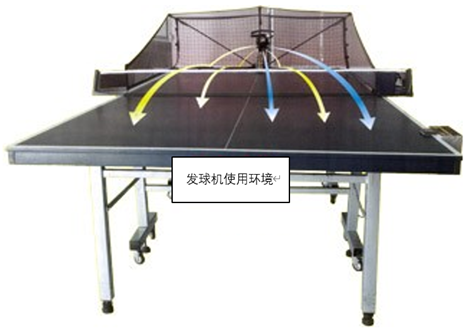
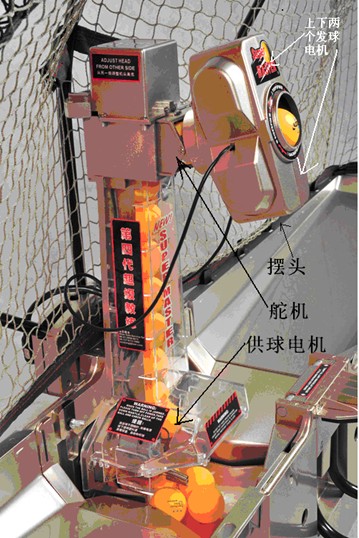
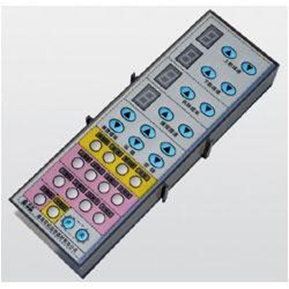
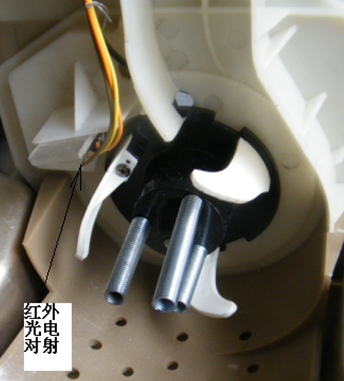
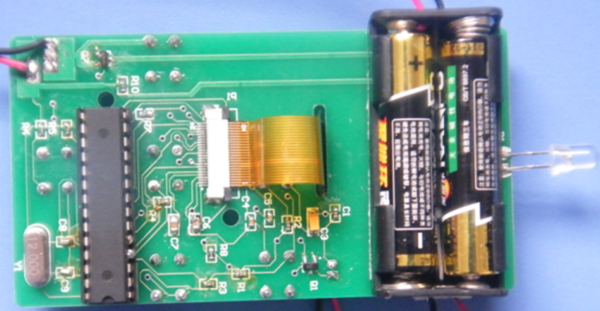
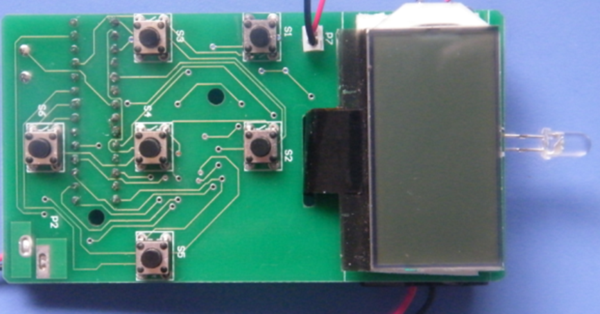
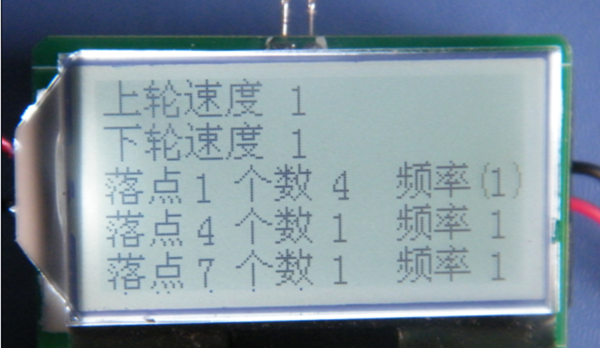
The design of the desktop ping-pong autoball machine. This includes two main components: infrared remote control and control of the main panel. The design of the infra-red remote control device is the following: LCD display interface, infrared data launch, keyboard, hibernation, low-power mode. The control panel involves rudder control, PWM motor control, infrared data reception.
1 Motor forward and reverse control circuit--H bridge
2 Steering gear control method
3 Reflective infrared detection technology
4 Implementation of microcontroller voice playback
5 Motor overcurrent detection method
6 Modulated infrared emission
7-dot matrix LCD display interface
Practical basic courses:
ARM processor hardware design: Select single-piece machines according to specific application needs and design and build the corresponding circuit boards and peripherals.
Embedded C language programming practice: programming, debugging in C language in the project.
(b) Single-piece theory: the functions of learning, applying, debugging single-piece machines in project practice.
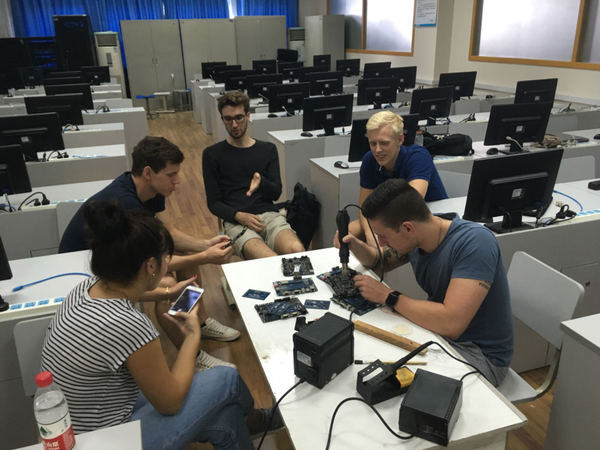
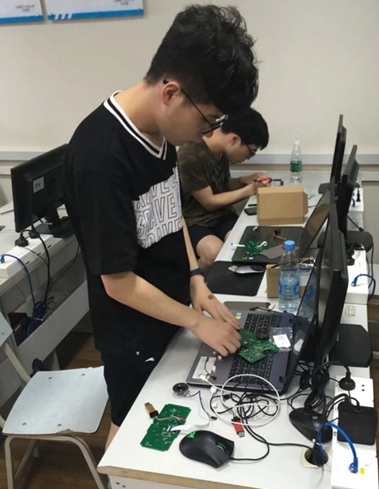
Welding of precision metreware: learning the correct method of welding electromechanical components on circuit boards
Previous training demonstrations: